Understanding Commercial Power Consumption

Commercial power consumption refers to the electricity and energy resources used by businesses, offices, shopping centers, educational institutions, hospitals, and other professional establishments to operate their daily activities. Unlike residential power usage that supports household needs, commercial energy systems are designed to handle higher loads and continuous operations across various facilities.

Efficient energy management plays a vital role in reducing operational costs and improving sustainability for modern businesses.
Major Characteristics of Commercial Energy Use

■ Operational Energy Needs

Commercial establishments rely on electricity to operate lighting systems, air conditioning, elevators, office equipment, refrigeration units, and other essential devices required for daily business operations.

■ Large-Scale Consumption

Compared to residential users, commercial facilities typically consume higher amounts of electricity due to extended working hours, larger infrastructure, and multiple energy-powered systems.

■ Energy Efficiency Planning

Many organizations now implement energy-efficient solutions such as smart monitoring systems, renewable energy integration, and optimized power usage strategies to minimize energy expenses.

Primary Energy Sources for Commercial Facilities

■ Grid Electricity

Most commercial buildings receive their main power supply from the public electricity grid to support operational requirements.

■ Natural Gas and Industrial Fuels

Certain businesses use natural gas or other fuels for heating, cooking, manufacturing, and heavy-duty equipment.

■ Renewable Energy Solutions

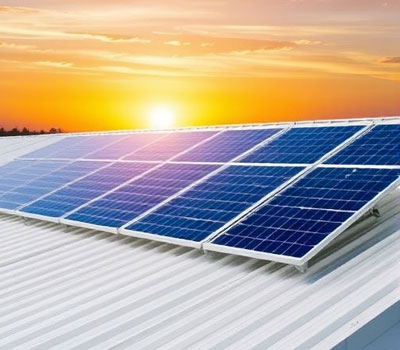
An increasing number of companies are adopting solar and wind energy systems to lower electricity costs and reduce environmental impact while promoting sustainable business practices.